- This event has passed.
Approaching Pathological Demand Avoidance with UDL-Aligned Strategies
Date:
April 3 @ 8:30 am – 2:30 pm
Price:
Instructor(s):
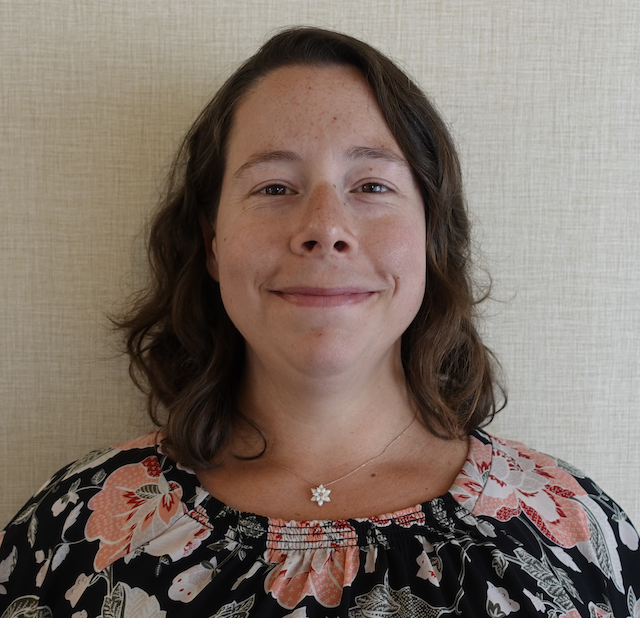
Hannah Markos, MFA, M.Ed
Event Type:
Virtual
Professional Learning Hours:
5
Intended Audience:
Educators and other professionals whose work impacts students from early childhood through 12th grade and beyond.
Participants must attend all events:
- Event Date
- Event Date

Pathological demand avoidance (PDA), sometimes reframed as a persistent or pervasive drive for autonomy, is gaining traction in educational discourse and reshaping how we interpret behaviors that educators may find challenging. PDA is not a formal diagnosis, is not included in the DSM, and lacks standardized, clinically validated assessments. As a result, educators may find themselves wondering whether a student’s learning profile aligns with PDA traits—and how best to support these learners effectively and ethically, without inadvertently causing harm.
This workshop explores neurodiversity-affirming, UDL – aligned practices that reduce the barriers encountered by students who present with a PDA profile, while simultaneously increasing access, autonomy, and belonging. Participants will gain practical strategies for supporting students whose patterns are rooted in anxiety, perceived threat, or a need for control, and will leave with tools that can be implemented immediately in diverse educational settings.
Participants will:
- Identify key features of a PDA profile, and understand the current research and its limitations.
- Analyze classroom demands through a neurodiversity-affirming lens, identifying which types of demands are most likely to present challenges and which ones can be universally adjusted.
- Learn to apply UDL-aligned strategies—including autonomy-supportive practices, flexible pathways, and scaffolding for transitions.
- Develop relationship-centered approaches that build trust, co-regulation, and psychological safety, with an emphasis on supporting students’ sense of control.