Navigating IDEA Through a Neurodiversity-Affirming Lens
Date:
October 21 @ 8:30 am – 2:30 pm
Price:
Topics:
- Equity
- |
- Neurodiversity & Inclusion
- |
- Special Education
Instructor(s):
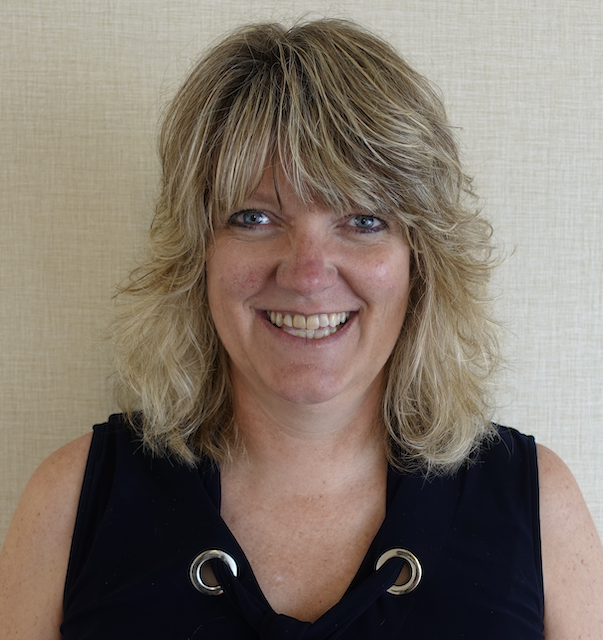
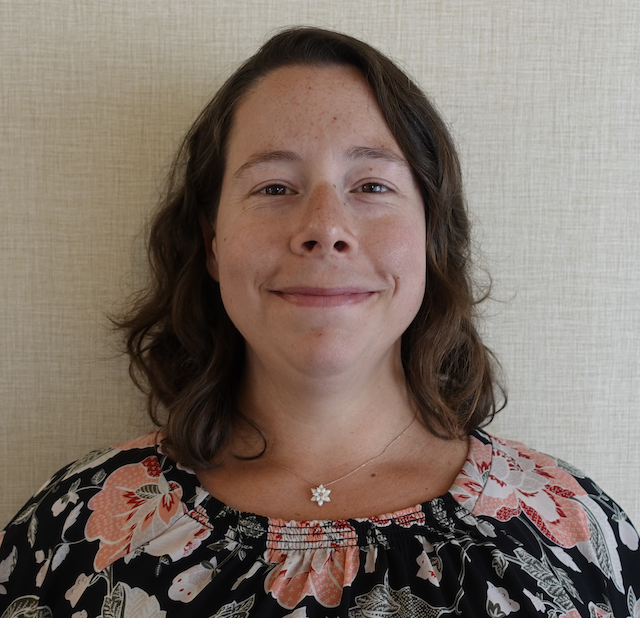
Jennifer Patenaude, M.A. & Hannah Markos, MFA, M.Ed.
Event Type:
Virtual
Professional Learning Hours:
5
Intended Audience:
This workshop is designed for special educators, school psychologists, speech-language pathologists, administrators, related service providers, and other professionals seeking to align legally sound special education practices with inclusive, learner-centered approaches.
Participants must attend all events:
- Event Date
- Event Date

Educators often navigate a tension between two important frameworks. The regulatory requirements of the Individuals with Disabilities Education Act (IDEA) are grounded in identifying disability-related needs to determine eligibility and provide services. At the same time, many educators have a growing commitment to neurodiversity-affirming practices that recognize disability as a natural aspect of diversity. While regulations often compel the use of a deficit-based model(s), neurodiversity-affirming practices emphasize individual strengths, identity, and belonging.
This workshop explores how educators can meet legal requirements while shifting away from deficit-focused language and practices whenever possible. Through examples, discussion, and application activities, participants will explore ways to describe learner characteristics and communicate individualized educational plans (IEPs) that acknowledge both disability-related needs and learner strengths. The session emphasizes that educators have agency to create and support educational experiences that honor the uniqueness and potential of every learner.
- Understand the distinctions between the medical and social models of disability and how they influence educational practice.
- Explore how IDEA regulations shape eligibility, evaluation, and IEP development while identifying opportunities to use more affirming, strengths-based language.
- Learn strategies for writing IEPs and evaluation reports that accurately describe disability-related needs without defining learners by their challenges.
- Apply practical approaches for fostering belonging, self-determination, and meaningful participation while maintaining compliance with special education regulations.
- Reflect on how a strengths-based, neurodiversity-affirming mindset can enhance educational planning and outcomes.